👇 Take this lesson with you! 👇
Table of Contents
If you are starting to learn English, the most important thing is not grammar rules — it’s useful phrases.
When beginners learn practical phrases first, they can start communicating quickly and confidently in real situations like meeting people, shopping, ordering food, and talking with friends.
In this lesson, you will learn 12 essential beginner English phrases that will help you in everyday situations.
How to Use This Lesson
To get the most from this lesson:
- Watch the video.
- Repeat the phrases aloud.
- Shadow the sentences (listen and speak at the same time).
This technique helps improve:
- pronunciation
- rhythm
- speaking confidence
Meeting People
These are some of the first phrases you will use in English when meeting someone new.
Key Phrases
How are you?
Fine, thanks.
How are you doing?
Great!
What’s your name?
What is your name?
I’m ______
My name’s ______
Examples
I’m Keith.
My name’s Keith.
These phrases are useful when:
- introducing yourself
- starting conversations
- meeting new people
In the Shop
When you go shopping, you often need to ask about objects and prices.
Key Phrases
Excuse me!
What’s that?
What’s this?
- This = things near
That = things far - That’s (a/an) ______
This is (a/an) ______
It’s (a/an) ______
Examples
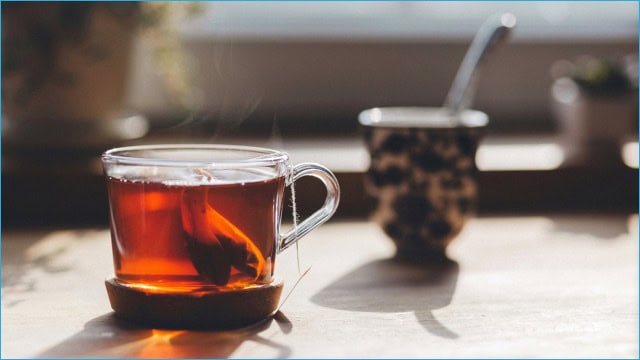
That’s black tea.
It’s black tea.That’s a spatula.
It’s a spatula.This is an apple.
It’s an apple.
Asking About Price
How much is it?
Example:
It’s 10 dollars.
In a Bar or Restaurant
These phrases help you order food and drinks politely.
Key Phrases
Excuse me, can I have a ______ ?
Excuse me, I would like a ______
Excuse me, I’d like a ______
Examples
Can I have a coffee?
Can I have a beer?
Can I have a juice?I would like a tea.
I’d like a glass of wine.
Asking for Places
You may also need to ask for the toilet.
Where’s the toilet?
Where is the toilet?You might also hear:
Where’s the bathroom?
Where’s the restroom?
With Friends
These phrases help you ask for help and express opinions.
Asking for Help
Could you ______ ?
Examples:
Could you help me?
Could you open the window?
Could you get me a drink?
Expressing Opinions
I like it.
I don’t like it.
Asking the Time
What time is it?
Example:
It’s time to go!
Repeat and Shadow Practice
To improve your speaking, practise the phrases again.
- Listen to the video again.
- Repeat the sentences aloud.
- Shadow the speaker (speak at the same time).
Focus on:
- pronunciation
- rhythm
- confidence
Regular repetition will help these phrases become natural and automatic when you speak English.
FAQs
Learning phrases helps beginners start speaking English faster. When you learn whole phrases like “How are you?” or “Can I have a coffee?”, you can use them immediately in real conversations. Grammar is still important, but phrases help you communicate from the beginning.

Shadowing means listening and speaking at the same time as the speaker. You try to copy the pronunciation, rhythm, and speed. This method helps improve your speaking fluency and confidence because your mouth practises producing natural English sounds.
Try to practise a little every day. Even 5–10 minutes daily can help a lot. Repeat the phrases, say them aloud, and use them in simple conversations. Regular practice helps the phrases become natural and easy to remember.